Products
Product Center
‹
›
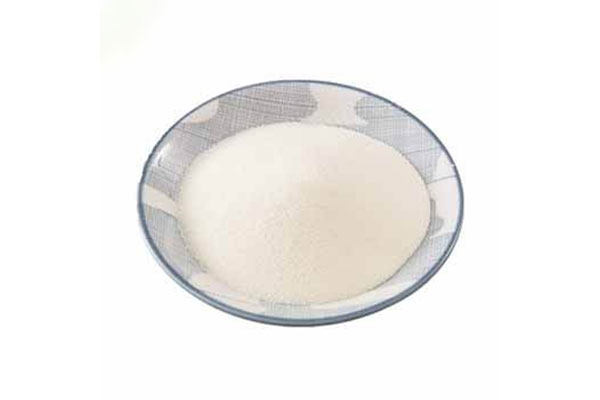
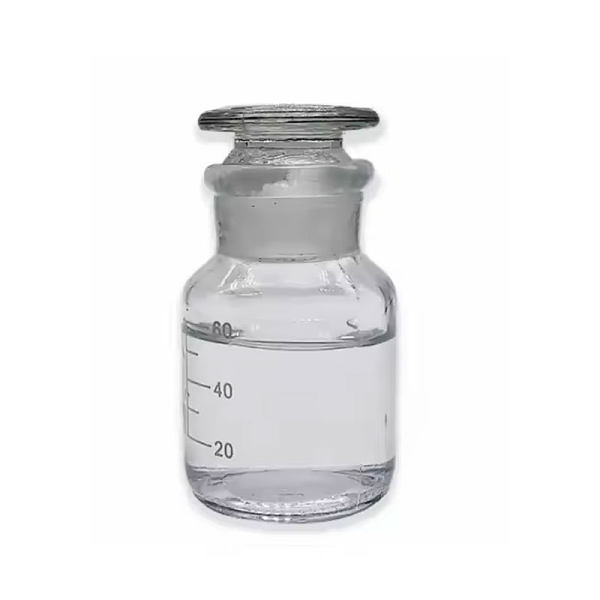
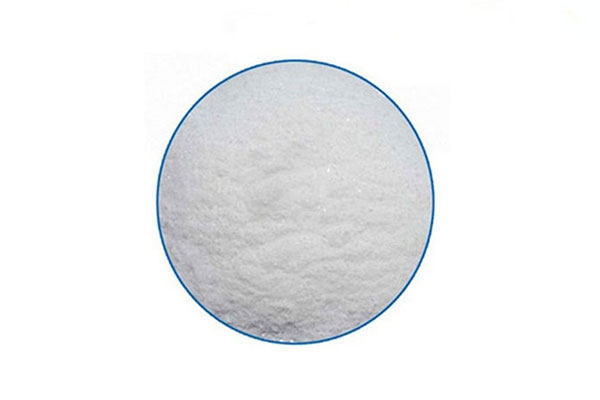
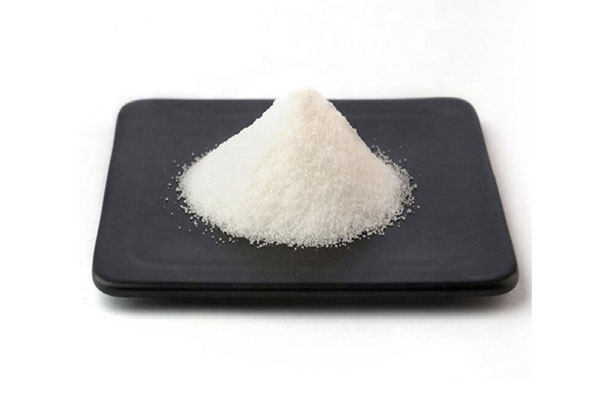
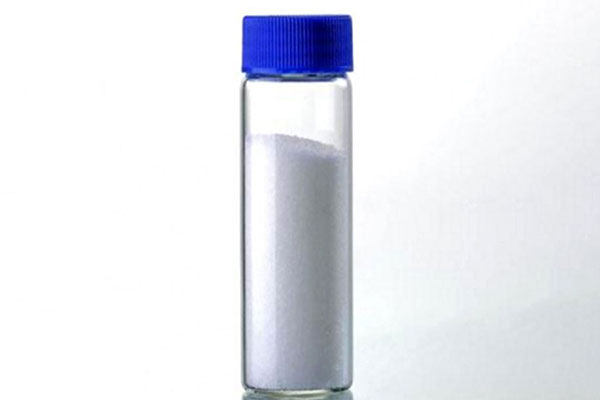
Sodium Hydroxide CAS 1310-73-2
Can't Find The Product You Need?
Tell Us Your Product Requirements, Specifications And Target Industry, Our Professional Team Will Reply You Within 24 Hours.
Chemical Properties Of Sodium Hydroxide 1310-73-2
Safety Information Of Sodium Hydroxide 1310-73-2
Product Application Of Sodium Hydroxide 1310-73-2
- Sodium hydroxide (NaOH) is one of the most useful industrial sodium compounds. It is also known as lye or caustic soda and is one of the strongest base alkalis (high pH value) on the household market. It is used as a drain and oven cleaner, and it saponifies fats in the manufacture of soap. It must be used with care because it is also capable of producing serious skin burns.
- Caustic soda is one of the most widely usedchemicals. It is used to neutralize acids; tomake sodium salts; to precipitate metals astheir hydroxides; in petroleum refining; in thesaponification of esters; in the treatment ofcellulose, plastics, and rubber; and in numeroussynthetic and analytical applications.
- Sodium hydroxide is used to adjust a product pH to make it more acceptable to the skin. It is commonly referred to as caustic soda, and often serves as a chemical reagent when making soap. If too concentrated it may cause severe skin irritation.


1. What are Jinyu Chemical primary product lines?
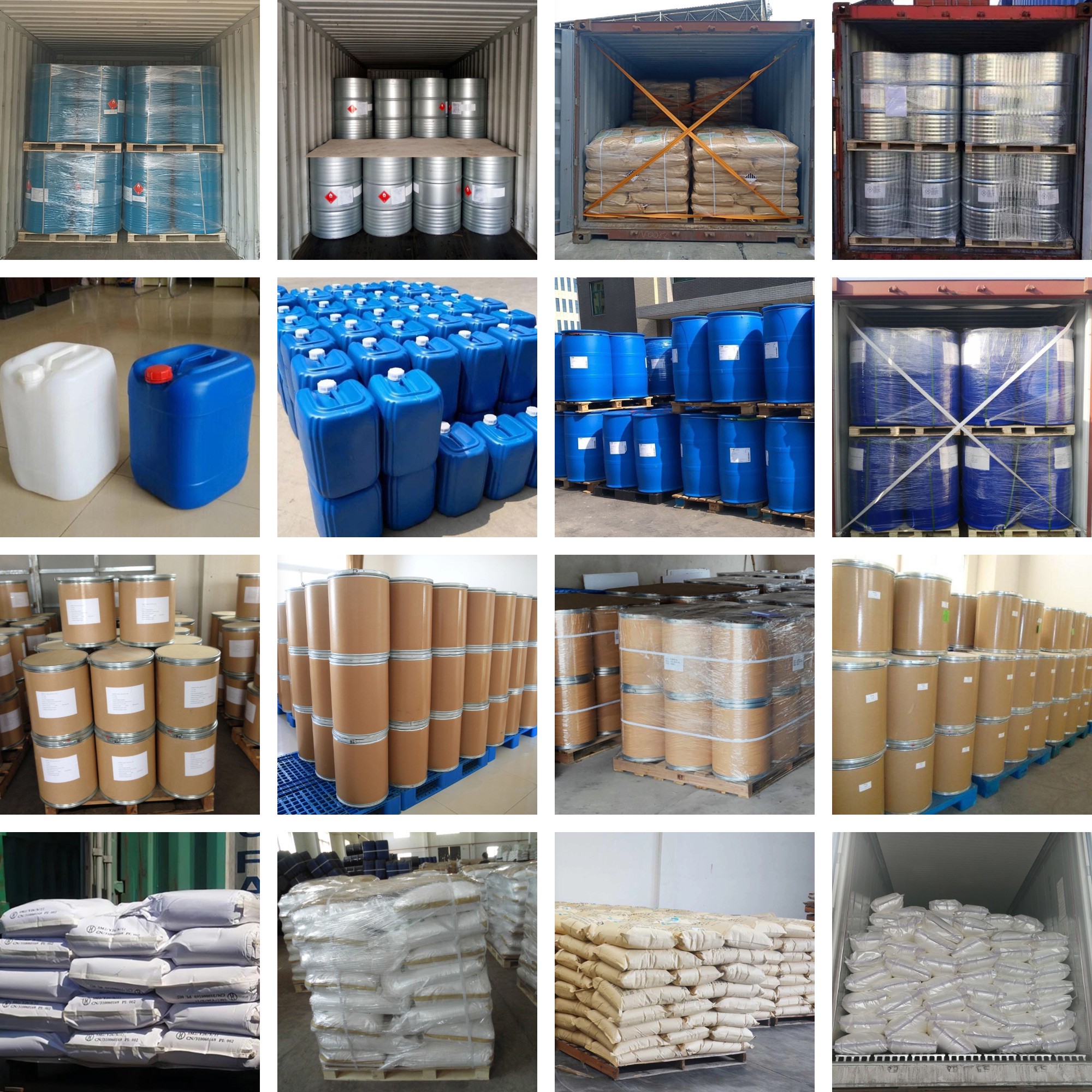
Our company specializes in petrochemicals (methanol, styrene, ethylene glycol), plastic resins (PP, PE, PVC, ABS), fine chemicals (pharmaceutical/pesticide intermediates, additives, solvents), chemical fiber raw materials (PTA, polyester filament, polyester staple fiber), inorganic chemicals (soda ash, caustic soda, titanium dioxide), as well as rubber, paraffin wax, and other products. We offer one-stop procurement services covering a wide range of categories.
2. Are you a trading company or a manufacturer?
We are a professional chemical trading company specializing in international trade. We have established long-term strategic partnerships with numerous high-quality domestic manufacturers to ensure a stable supply of goods and competitive pricing, while also providing comprehensive export services throughout the entire process.
3. Can you provide third-party inspection reports?
Yes. We provide a Certificate of Analysis (COA) with every shipment. Additionally, upon a client's request, we can arrange for inspections by third-party agencies such as SGS, BV, or ITS; the associated costs and details are negotiable.
4. What is the Minimum Order Quantity (MOQ)?
For plastic resins and chemical fiber raw materials, the MOQ typically starts at 1–5 tons, and we welcome small-batch trial orders. For liquid chemicals, bulk shipments start at 20 tons, while drummed shipments can be consolidated (LCL). For fine chemicals, the MOQ is determined on a case-by-case basis depending on the specific product.
5. From which ports do you primarily ship?
Our company is located in close proximity to the Port of Tianjin. We can also arrange shipments from other major domestic ports—such as Qingdao or Shanghai—to meet our clients' specific requirements.
6. Can you handle the export of hazardous materials?
Yes. Our company holds a valid license for the operation of hazardous chemicals. We are well-versed in the procedures for hazardous material declaration, obtaining hazardous packaging certificates, and booking cargo space, thereby ensuring full compliance with all export regulations.
7. What payment methods do you accept?
Our standard payment terms are T/T (30% upfront deposit, with the remaining 70% payable upon presentation of a copy of the Bill of Lading) or Sight L/C (Letter of Credit). For small-batch sample orders, we also accept Western Union. For long-term partners—subject to a credit assessment—we may negotiate deferred L/C or Open Account (OA) terms.
8. What is your typical lead time?
For standard products, the lead time is typically 7–15 business days. For customized products or those with special specifications, it is 15–25 business days. For in-stock items, shipments can be dispatched within 3–7 business days after receipt of payment.
CAS 37220-17-0") Glucomannan(Konjac Glucomannan )CAS 37220-17-0
Glucomannan(Konjac Glucomannan )CAS 37220-17-0Learn More →
 Natamycin 7681-93-8
Learn More →
 Cyclohexane CAS 110-82-7
Learn More →
 CARRAGEENAN CAS#9000-07-1
Learn More →
 1,2-Diaminopropane CAS#78-90-0
Learn More →
 Hydrochloric Acid CAS 7647-01-0
Learn More →
 Sulfuric Acid CAS 7664-93-9
Learn More →
 Sodium Hydroxide CAS 1310-73-2
Learn More →